

Florida Nonprofit Incorporation and Registration: How to Form and Maintain Your Organization
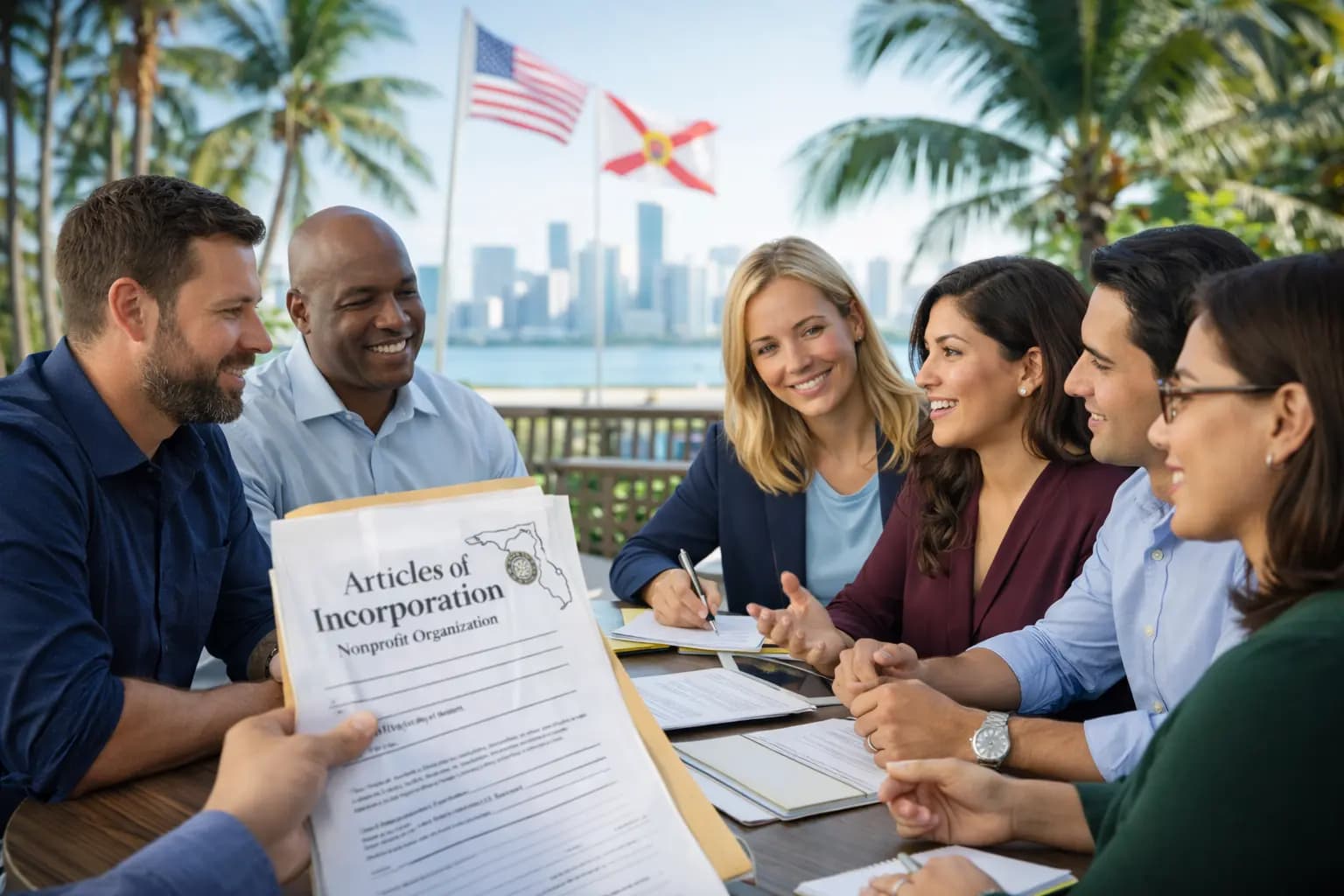
What Is a Nonprofit Organization in Florida and How It Is Structured
A Nonprofit Is Built on Stewardship, Not Ownership
In Florida, a nonprofit organization is not owned in the traditional sense. It has no shareholders and no distributable profits. Instead, it is structured around, stewardshipa board of directors governs the organization in service of a defined public or charitable purpose. This structural distinction changes how power, accountability, and financial decisions are handled from day one.
The Board Is the Core Structural Engine
Unlike for-profit entities where control may concentrate in a founder or small ownership group, a Florida nonprofit relies on a functioning board. Directors are expected to exercise independent judgment, manage conflicts of interest, and act in the organization’s best interest, not personal gain. The board’s composition, meeting records, and oversight practices form the backbone of the nonprofit’s legitimacy.
Separation Between Mission and Management
Another overlooked feature is the separation between governance and daily management. While founders often serve as officers or executives, the nonprofit’s structure requires a distinction between strategic oversight and operational execution. This layered design ensures continuity beyond any individual, reinforcing that the organization exists to serve its mission, not a single person. Start your Florida nonprofit with the right board structure and governance foundation.
Cost, Timeline, and Core Requirements to Start a Nonprofit in Florida
The Filing Fee Is Only the Surface Cost
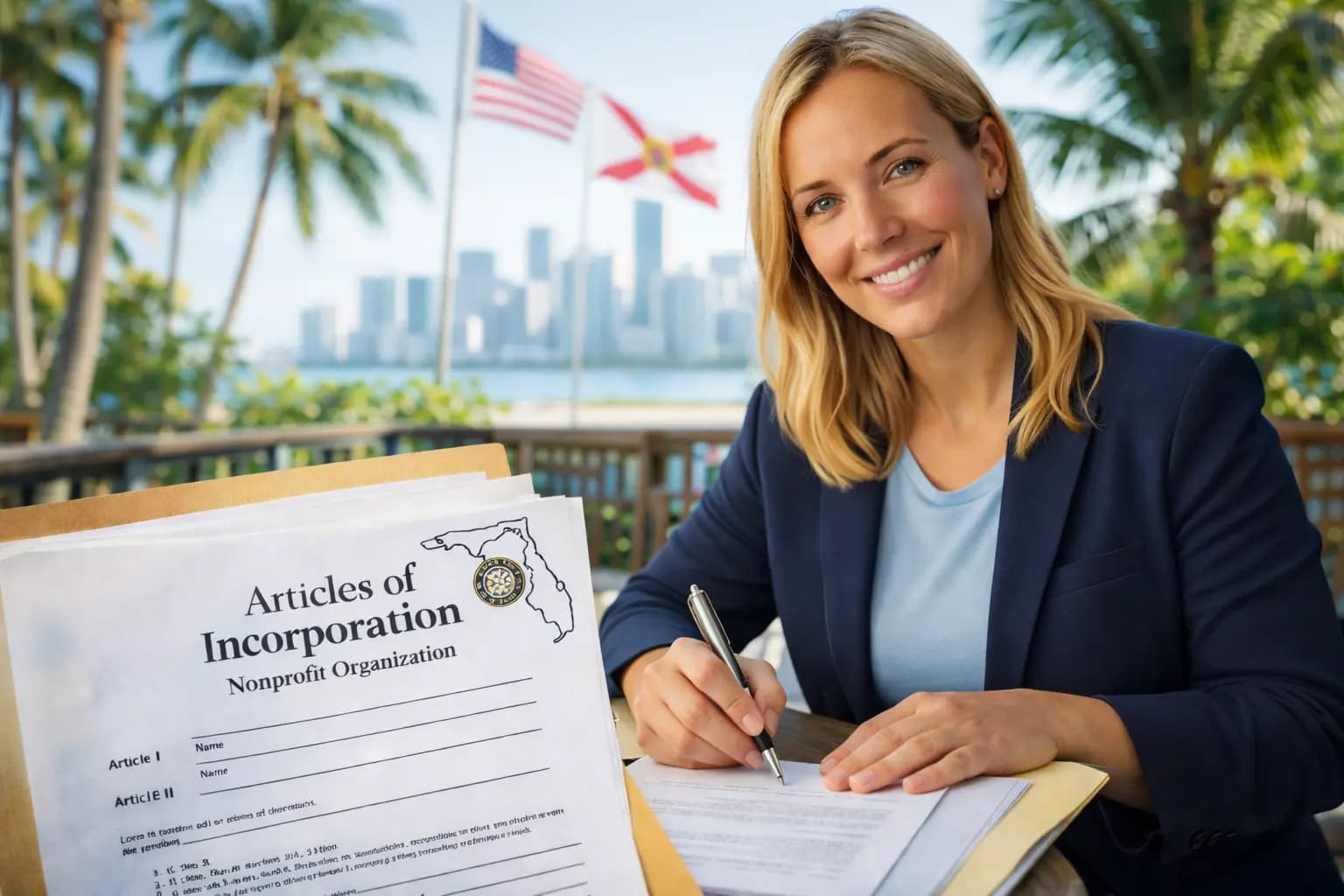
The state filing fee to form a nonprofit corporation in Florida is relatively modest. What’s less discussed is that the real cost lies in governance preparation. Drafting bylaws that reflect actual oversight, adopting a conflict-of-interest policy, preparing an initial board resolution, and documenting organizational purpose with precision all require time and coordination. These foundational steps directly impact whether the organization will later qualify smoothly for federal tax-exempt recognition.
Timeline Is Layered, Not Linear
Starting a nonprofit in Florida happens in phases. First comes state incorporation, which is typically processed within a predictable timeframe. However, the more time-sensitive layer is federal tax-exempt status. Without IRS approval, fundraising capacity can be limited. Many delays stem not from the state but from incomplete documentation or unclear mission statements submitted at the federal level.
Core Requirements Go Beyond Filing
Florida expects a nonprofit to maintain a registered agent, appoint a functioning board of directors, and preserve corporate records. The structure must demonstrate separation between personal interests and organizational purpose. Incorporation creates the legal entity, but governance discipline sustains it. Start your Florida nonprofit with the right structure, timeline, and compliance plan.
Ongoing Compliance After You Form a Nonprofit in Florida
Incorporation Is the Beginning of Oversight
Forming a nonprofit in Florida establishes the legal entity, but compliance begins immediately afterward. Annual state reports, federal information returns, and charitable registration renewals create a recurring governance cycle. What’s rarely discussed is that regulators often look for pattern consistency, not just isolated filings. Timely, predictable compliance signals that the organization is being actively supervised.
Board Activity Must Be Documented, Not Assumed
Nonprofits are expected to maintain meeting minutes, adopt and review conflict-of-interest policies, and record major decisions formally. Even if the board is small or closely aligned, documentation matters. Internal governance records are often requested during audits, grant reviews, or funding evaluations. A well-run nonprofit demonstrates oversight through paper trails, not just good intentions.
Compliance Protects Credibility
In Florida’s publicly searchable registry, lapses in status become visible. Grantmakers, donors, and institutional partners may verify compliance before committing support. Ongoing compliance is not merely a regulatory obligation, it preserves the organization’s credibility and ensures that mission-driven work is not interrupted by avoidable administrative setbacks. Keep your Florida nonprofit compliant with a structured, ongoing governance plan.
Thrive your business with FL Filing
Discover how FL Filing can simplify your business filings and compliance needs.
Explore Our WebsiteSIMILAR POSTS
From launching your first startup to forming multiple entities. Flexible packages for every need

Florida LP Formation: Register a Limited Partnership and Compare LP vs LLC

Florida Registered Agent Service: Costs, Benefits, and How to Change Your Agent